Make Your Fruit Activity
Each one opens in a new tab, ready to print.
Words used in these worksheets (20)
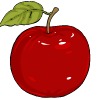 apple
 banana
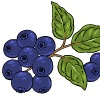 blueberries
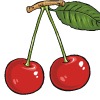 cherries
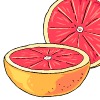 grapefruit
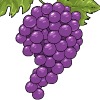 grapes
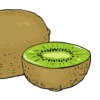 kiwi
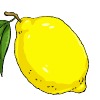 lemon
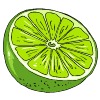 lime
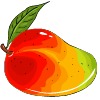 mango
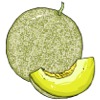 melon
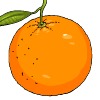 orange
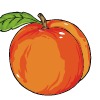 peach
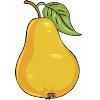 pear
 pineapple
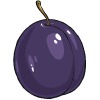 plum
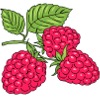 raspberries
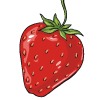 strawberry
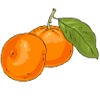 tangerines
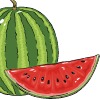 watermelon
Need different words? Remove words or add more from the full Fruit set. Your saved custom list is not changed.
More quick worksheets and games
I use fruit to teach "Do you like...?" first, then build up to "I like..." and later "What's your favorite fruit?"
Fruit also comes back later in my curriculum. Once students know the words, it's a comfortable set for introducing plurals ("It's a pear." vs. "They're grapes.") and for practicing "He likes grapes." with the third person -s.
Useful phrases for Fruit
Pair the vocabulary with one sentence pattern at a time. Each level builds on the one before.
Starting out
First lessons, once students know the words- Do you like ___? Yes. / No.
- I like ___. I don't like ___.
- What's your favorite fruit?
Next step
Building on the basics- It's a pear. / They're grapes.
- He likes ___. She doesn't like ___.
- Is it sweet or sour?
Challenge
For older or more advanced students- It's a small fruit that is round and blue.
- Some ___ are green. All lemons are yellow.
- Which one is bigger, a melon or a cherry?
Teaching tips for Fruit
Teach the words before the question
Spend the first lessons on vocabulary alone with flashcards and quick games. When students can name the fruit without help, "Do you like...?" becomes easy to add because they only have one new thing to learn.
Notice singular and plural from the start
The set mixes single fruit (an apple, a peach) with fruit we usually count in groups (grapes, cherries, blueberries). You don't need to explain it yet, but saying "an apple" and "grapes" consistently makes the plural lesson much easier later.
Use real opinions
Fruit works for likes and dislikes because nearly everyone has a strong opinion about at least one fruit. Survey the class and you get a real mix of yes and no answers, which keeps the practice honest and interesting.
Describe instead of naming
For older students, turn the flashcards into riddles: "It's a long yellow fruit." The crossword maker with text clues is a good written version of the same idea.
Fruit lesson ideas
Favorite fruit survey
Each student asks five classmates "What's your favorite fruit?" and tallies the answers. Finish by making a simple class chart and talking about it: "Six people like strawberries."
Fruit bingo with a twist
Play picture bingo, but instead of calling the word, call a description: "It's red and it's small." Several fruit might match, so students have to listen and think.
Mystery bag
Put real or plastic fruit in a bag. Students reach in, feel one, and guess: "Is it an orange?" It works well for young learners who need something hands-on.
A fruit week
Flashcards and the vocabulary sheet on day 1, word search on day 2, board game with "Do you like...?" on day 3, then bingo or a fruit survey to finish the week.
More Fruit resources from MES
- Fruit flashcards large cards, game cards and 12 extra fruit
- Speaking First Curriculum: Unit 2 how fruit fits into a full course
- Fruit listening exercises audio and worksheets
- Fruit online games vocabulary practice for students
All Fruit images (28)
Click a picture to add it to your worksheet list or take it out. Up to 30 words. Words in your list are shown first.
No images match your search.
Build once. Make everything.
Planning a full unit? The Custom List Maker lets you mix words from any category, save your list, and make 19 different worksheets and games from it all week long.